

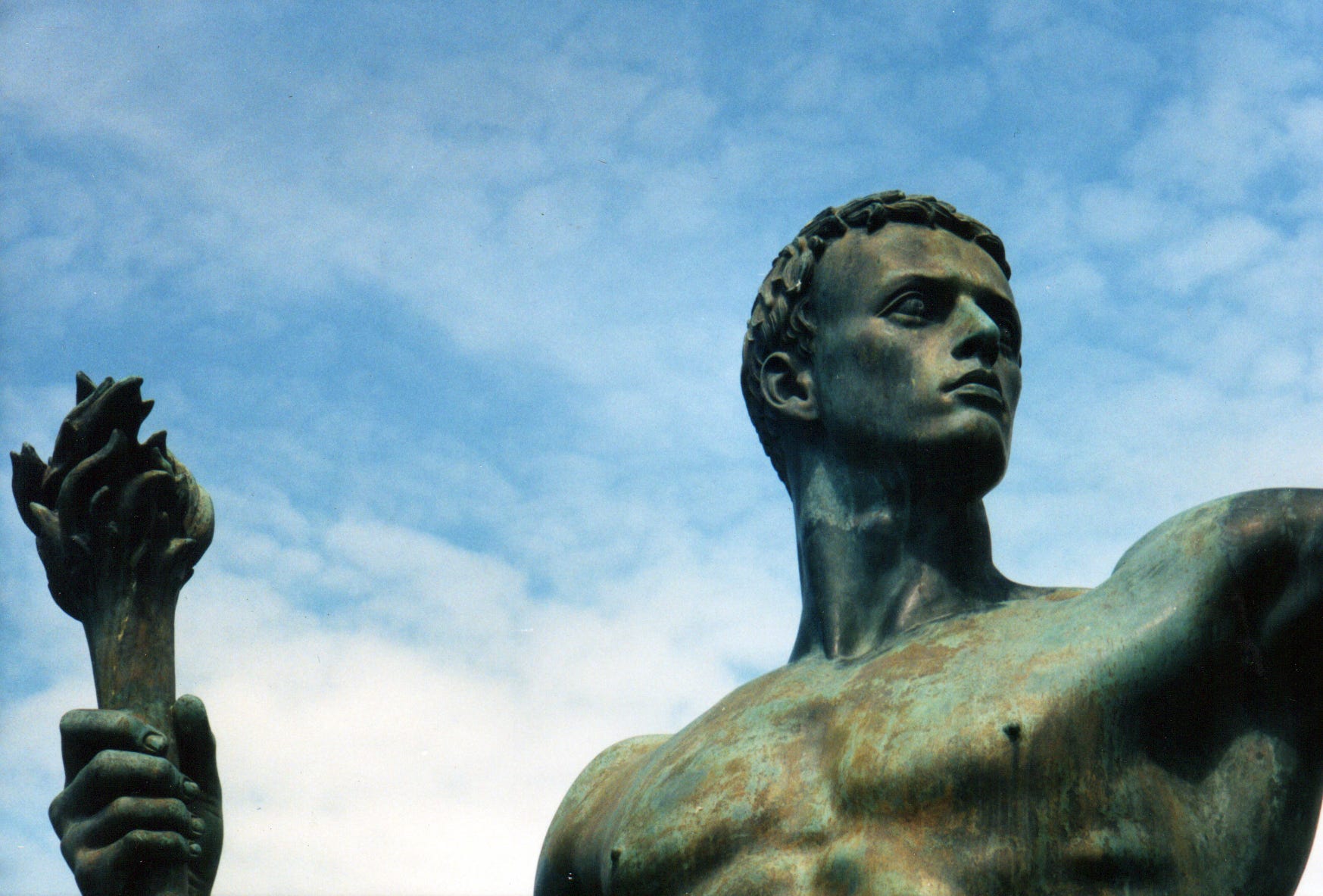
The increasing proletarianization of modern man and the increasing formation of masses are two sides of the same process. Fascism attempts to organize the newly proletarianized masses while leaving intact the property relations which they strive to abolish. It sees its salvation in granting expression to the masses—but on no account granting them rights. The masses have a right to changed property relations; fascism seeks to give them expression in keeping these relations unchanged. The logical outcome of fascism is an aestheticizing of political life…All efforts to aestheticize politics culminate in one point. That one point is war. — Walter Benjamin
Because I enjoyed my first reading of it so much, I’ve recently been making my way through Richard Evans’ Third Reich Trilogy a second time. The middle volume, The Third Reich in Power, devotes significant attention to Nazi cultural policy during the 1930s and, on this reading, I’ve been struck by the extent to which the aesthetic and culture project of the Nazi regime was a complete and total failure.
Under the auspices of fighting “degenerate art”, the Nazis banned or suppressed most of the artistic movements that had flourished under the Weimar Republic. Their own preferred style — in music, painting, sculpture, architecture, and so on — was didactic, declamatory, and instinctively averse to complexity and abstraction. This aversion, unsurprisingly, was often rooted in racial prejudice (they detested jazz, for example, partly because its preeminent figures were black and banned Felix Mendelssohn’s music because his grandfather was a Jew). But the free-flowing and avant-garde spirit of modernist artistic movements of all kinds (jazz, Surrealism, Dadaism, atonal music, etc.) also ran afoul of the Nazis’ deeper social and cultural project.
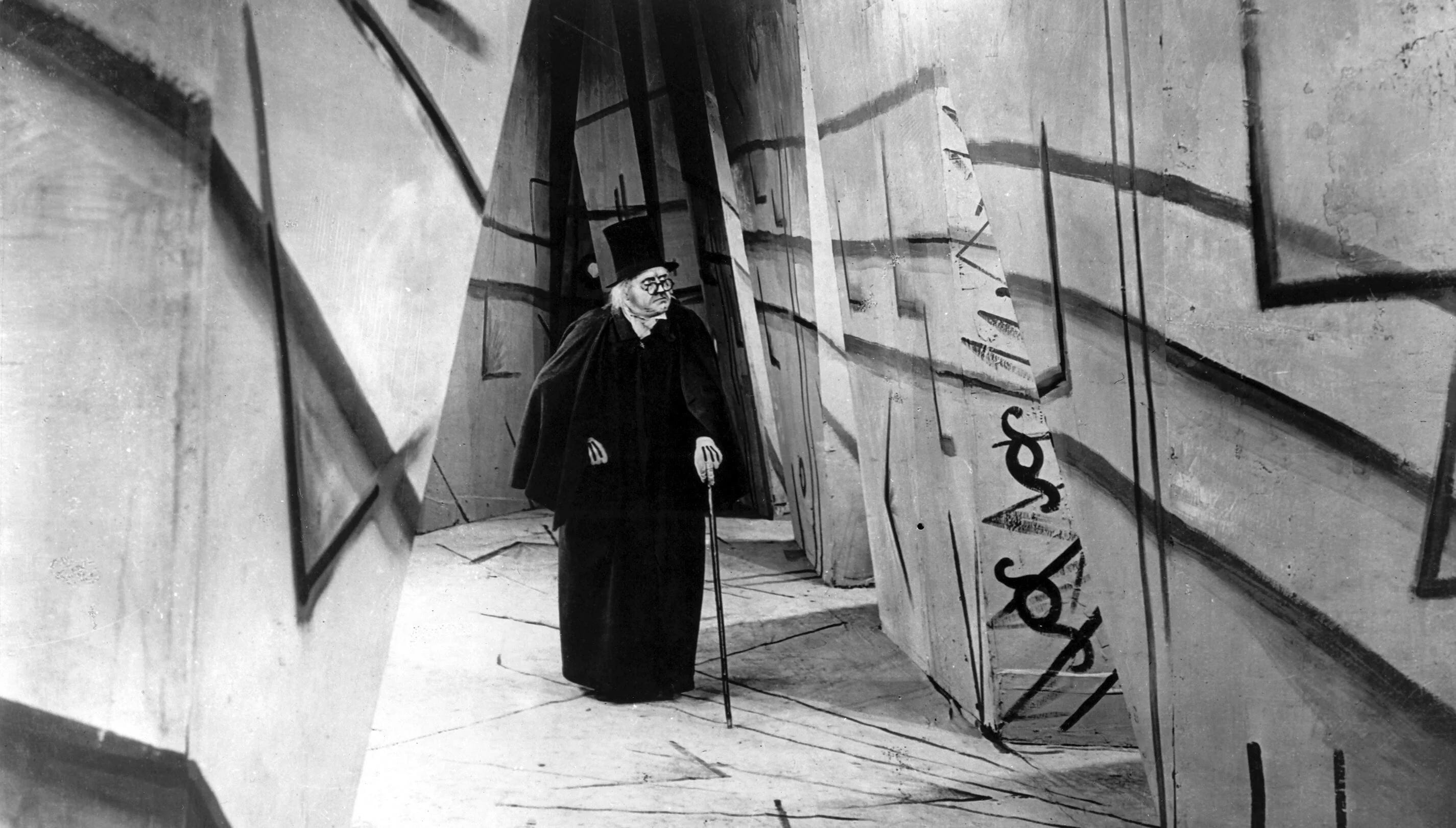
Under the Third Reich, the only real purpose of art was to give expression to (as Evans puts it) the “imagined collective will” of the German people. Attempts to forge a new artistic tradition that advanced the goals of the regime were thus inherently compromised by the need to contort every aesthetic choice around the precepts of the Nazis’ racial nationalist ideology. The results, predictably enough, were overwhelmingly turgid and proved uninteresting to all but the most fanatical zealots. And because the Nazis banned or censored virtually everything else, Germany’s hitherto vibrant cultural scene quickly withered on the vine.
Note: For the next two weeks, I’m offering heavily discounted subscriptions. Click here to get a full year’s access to all paywalled content, including everything in the archives, for 50% off. If you’re unable to afford a paid subscription, consider subscribing for free or send me a message and I’ll gladly comp your subscription.
